
For most of my adult life, I've been fascinated by a deceptively simple question: What does it take to live a truly good life? Not just a long life. Not just a healthy life. But a life filled with energy, purpose, meaningful relationships, personal growth, and the freedom to pursue the things that matter most.
It's a question that has shaped my career, my writing, my businesses, and much of my own personal journey. And today, I'm excited to share something that represents the next chapter in that journey. After more than a decade of training and certifying health coaches, Primal Health Coach Institute is expanding its mission with the launch of our brand-new Primal Life Coach Certification.
This isn't a departure from what we've been doing for the past ten years. In many ways, it's what we've been working toward all along. To explain why, I want to take you back to where it all began.
From Mark's Daily Apple to the Primal Blueprint
When I started Mark's Daily Apple in 2006, my goal was to challenge some of the conventional wisdom surrounding health, fitness, and nutrition. I'd spent years as an endurance athlete, pushing my body to its limits, and I'd learned firsthand that being physically fit didn't necessarily mean being healthy.

I became increasingly interested in how our ancient ancestors lived and how the human body had adapted over countless generations to particular patterns of eating, moving, sleeping, and interacting with the world. The more I explored those ideas, the more convinced I became that many of our modern health challenges could be better understood by examining the disconnect between our biology and our lifestyles. We were living in a world of extraordinary technological advancement and convenience, yet so many people were struggling with their health, energy, and overall well-being. We'd made life easier in countless ways, but had we necessarily made it better?
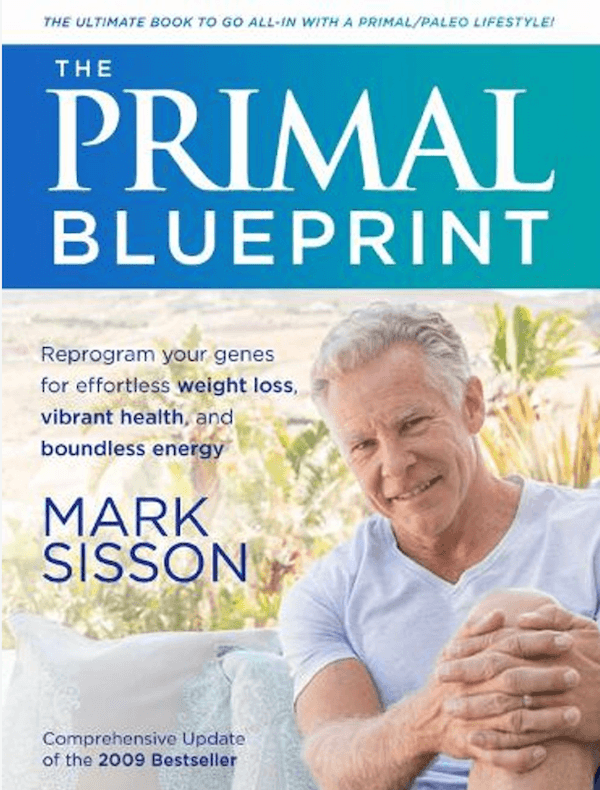
That question became central to my work. Through Mark's Daily Apple, I began sharing a different approach to health, one grounded in ancestral living principles and informed by modern science. In 2009, I published The Primal Blueprint, which brought those ideas together into a practical philosophy for living. The message was straightforward: Rather than constantly fighting against our biology, what if we learned to work with it?
Eat real, nutrient-dense foods. Move frequently. Build strength. Get adequate sleep. Spend time outdoors. Enjoy sunlight. Make time for play. Manage stress. Prioritize recovery. These weren't radical new inventions. They were fundamental aspects of human living that had gradually been displaced by modern habits and environments.
Over the years, a community grew around these ideas. People began transforming their health, reclaiming their energy, and discovering that living well didn't have to mean following an endless collection of complicated rules. But as the Primal movement grew, something else became increasingly clear to me: Health was only part of the equation.
The Primal Connection: Looking Beyond Physical Health
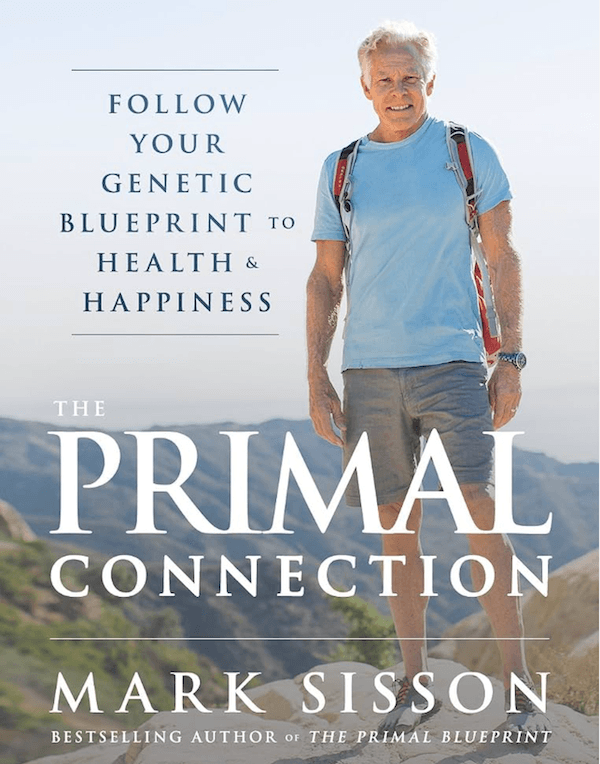
In 2013, I published The Primal Connection. While The Primal Blueprint focused primarily on physical health, The Primal Connection explored something broader: the relationship between our ancestral human nature and our experience of life in the modern world.
I wanted to understand why people could seemingly have everything they needed to be happy and fulfilled, yet still feel disconnected, stressed, restless, or dissatisfied. Why did so many people struggle to find meaning in their work? Why were loneliness and social isolation becoming such significant features of modern life? Why did we spend so much time indoors, sitting, staring at screens, and rushing from one obligation to another? And why, even when our physical needs were met, did so many of us still feel that something important was missing?
I came to believe that many of the same principles that help us understand physical health can also help us understand human happiness and fulfillment. Human beings didn't develop in isolation. We lived in close-knit communities, moved through natural environments, faced challenges, solved problems, contributed to our groups, formed meaningful relationships, and engaged in play. We had reasons to get up in the morning that went beyond earning a paycheck or checking items off a to-do list.
Of course, life in the ancient past was far from perfect. It could be dangerous, physically demanding, and uncertain. I'm certainly not suggesting that we abandon modern civilization or romanticize the hardships our ancestors faced. But I do believe there are important lessons to be learned from the patterns of living that shaped our species. Our biology, our psychology, and our fundamental human needs didn't suddenly change when we invented smartphones, office buildings, and social media.
That realization has stayed with me ever since. To truly optimize human life, we have to look beyond the body and consider the whole person.
Why We Created Primal Health Coach Institute
As the Primal movement continued to grow, I began hearing from people who wanted to do more than improve their own health. They wanted to help others. Some were already working in health and wellness. Others were considering entirely new careers. Many had experienced profound personal transformations and felt inspired to share what they'd learned.
But having knowledge about health and knowing how to help another person make meaningful, lasting changes are two very different things. That's why we founded Primal Health Coach Institute in 2016.
Our goal was to create a new generation of highly educated, highly skilled health coaches who could help people translate the principles of ancestral health into practical, sustainable lifestyle changes. We wanted to give people both the knowledge and the professional coaching skills to make a genuine difference in the lives of others. And we had an ambitious vision: to positively impact 100 million lives by 2030 through the work of our coaches.
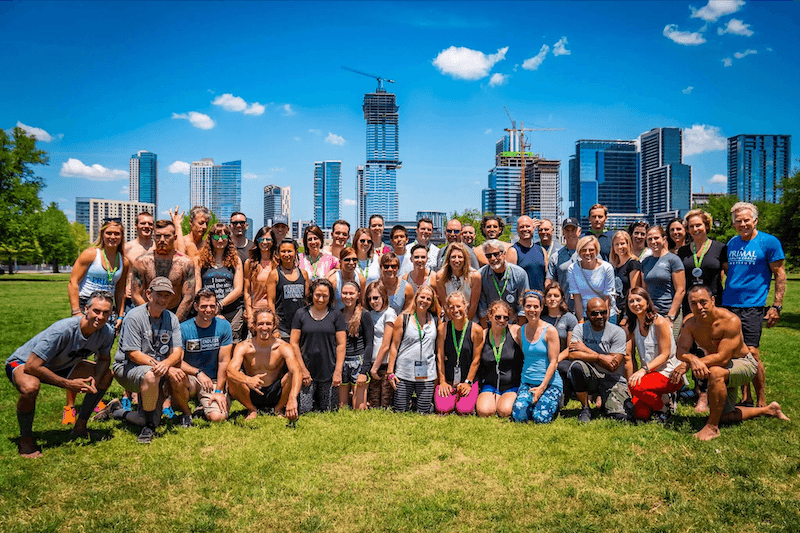
It was never simply about selling courses or issuing certificates. It was about creating a ripple effect. If we could train exceptional coaches, and those coaches could help hundreds or thousands of people improve their lives, the impact could extend far beyond anything we could accomplish on our own. That vision continues to drive PHCI today.
Ten Years of Learning, Growing, and Evolving
Over the past decade, Primal Health Coach Institute has grown into a comprehensive coaching education organization. Our curriculum has expanded, our coaching methodologies have evolved, and we've developed advanced certifications, specialist education, business training, and pathways for coaches who want to work at the highest levels of the profession.
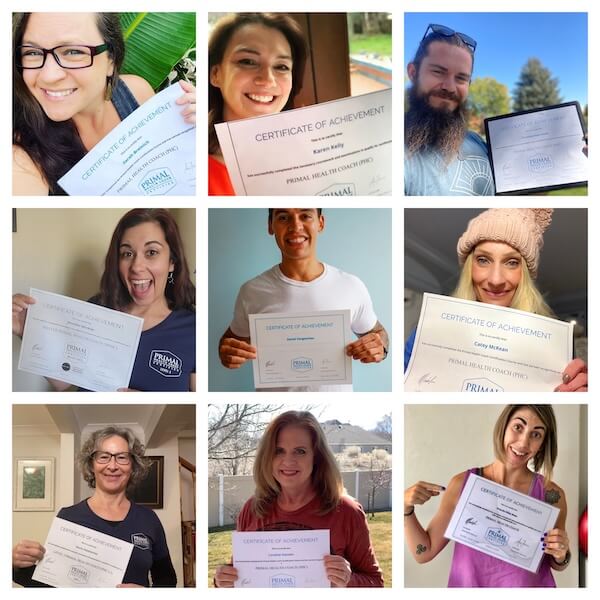
We've also had the privilege of watching our graduates do remarkable things. Some have built their own coaching practices. Others have incorporated coaching into existing healthcare, fitness, or wellness careers. Many have discovered an entirely new sense of purpose through helping others.
But perhaps the most important thing we've learned over these ten years is that coaching is rarely just about the issue that brings someone through the door. A client might initially seek help with weight management, nutrition, fitness, or energy. But as the coaching relationship develops, deeper issues often emerge. Maybe their work leaves them feeling exhausted and unfulfilled. Maybe their relationships are strained. Maybe they've lost confidence in themselves or feel disconnected from the person they want to become. Or perhaps they're struggling to find a sense of direction, having built a life that looks successful from the outside but doesn't feel particularly rewarding on the inside.
These things don't exist in separate compartments. Our health affects our relationships. Our relationships affect our emotional well-being. Our work affects our stress levels. Our sense of identity influences our habits, decisions, and willingness to change. And our environment influences almost everything.
The more we worked with coaches and listened to their experiences, the clearer it became that helping people achieve better health often meant understanding the broader circumstances of their lives. That doesn't mean health coaches should suddenly become therapists, financial advisors, or experts in every aspect of human behavior. It means recognizing that people are complex, interconnected human beings, and that meaningful change often requires looking at the bigger picture.
This realization helped inspire the next evolution of PHCI.
Why Life Coaching, and Why Now?
I believe we're living through a period in which the need for thoughtful, skilled, whole-person coaching is becoming increasingly apparent. Modern life offers opportunities that previous generations could scarcely have imagined. We have access to incredible technology, information, medical advancements, and conveniences. And yet, for many people, something feels out of balance.
We're more digitally connected than ever, but meaningful human connection can feel increasingly difficult to maintain. We have unprecedented access to entertainment and stimulation, yet many people struggle with boredom, distraction, and a lack of motivation. We have more ways to optimize our productivity, yet often find ourselves overwhelmed, overcommitted, and unable to slow down. We have countless opportunities to pursue success, but success doesn't always translate into fulfillment.
And we have more information about how to live well than at any point in history, yet knowing what to do and actually creating a satisfying life remain two very different challenges.
I don't believe the answer is to reject modern life. Quite the opposite. The opportunity is to take what we've learned about human nature and use it to live more intentionally, effectively, and meaningfully in the modern world.
That's where Primal Life Coaching comes in. We see life coaching as a natural extension of our original mission. Health coaching helps people make meaningful changes to their health and well-being. Life coaching expands that perspective to include the broader dimensions of human experience: identity, relationships, work, purpose, environment, personal growth, and fulfillment.
And the Primal approach brings something distinctive to that conversation. It starts with an understanding of what human beings fundamentally need to thrive, then applies that understanding to the realities of modern living.
Introducing Primal Human Optimization
At the heart of our new Primal Life Coach Certification is a concept we call Primal Human Optimization. It's an idea that builds on much of what I've explored throughout my career, from The Primal Blueprint and The Primal Connection to the work we've done at PHCI.
But what exactly do we mean by it?
Primal Human Optimization is the process of understanding our fundamental human needs and intentionally designing a modern life that better supports them. It's about bringing our biology, psychology, behaviors, relationships, environment, and sense of purpose into greater alignment.
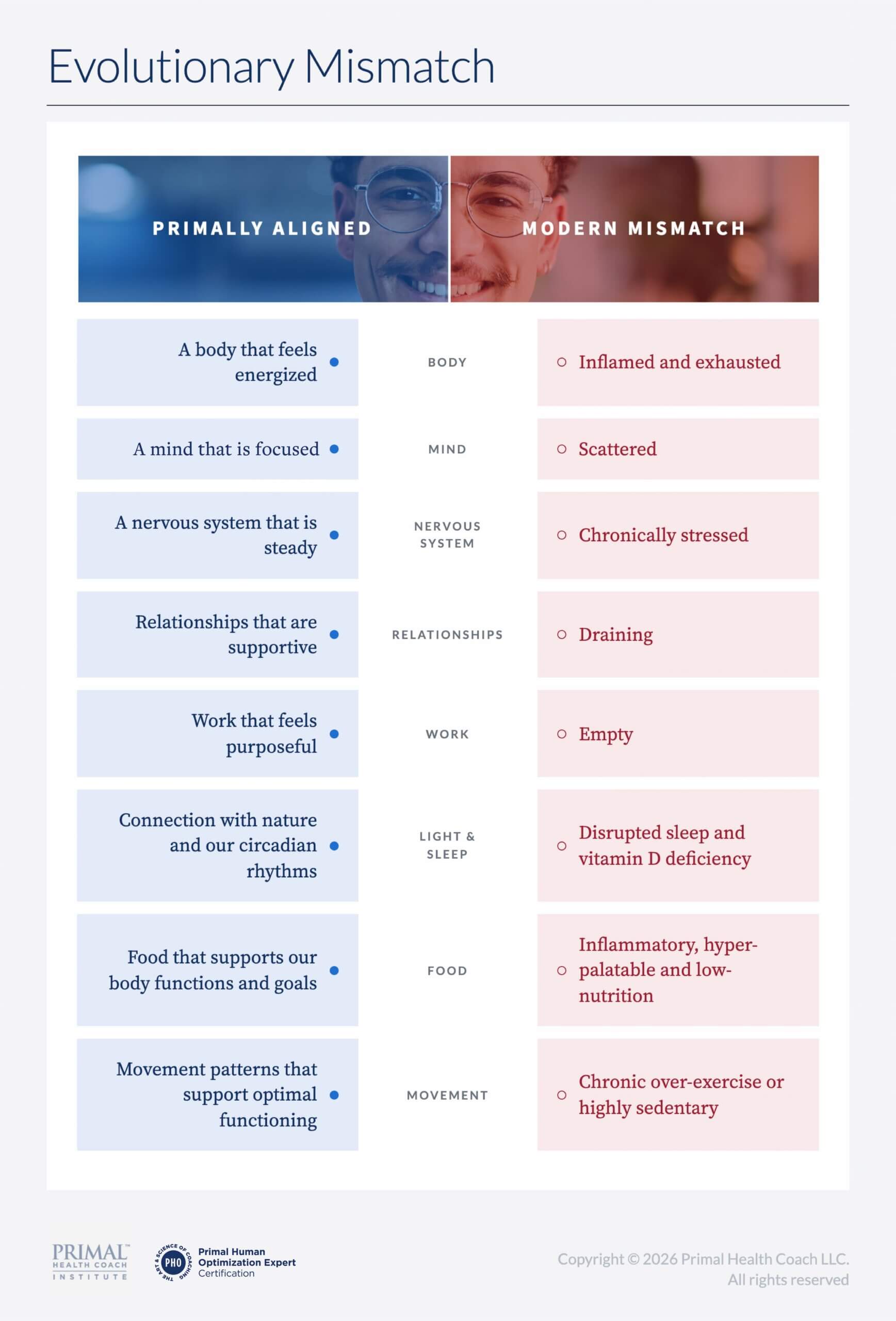
Primal Life Coach Certification - Curriculum Graphic
It's not about becoming a perfect human being. And it's certainly not about maximizing productivity, chasing arbitrary performance metrics, or trying to turn every aspect of life into another optimization project. It's about creating the conditions in which we can function, grow, connect, contribute, and flourish.
Think about some of the contrasts between the patterns of living that shaped human beings and the environments many of us occupy today.
Movement versus prolonged inactivity
Human beings are built to move. For most of our history, movement was woven into daily life. Walking, carrying, climbing, lifting, and other physical activities were natural parts of survival and participation in the community. Today, many people spend most of their waking hours sitting. Primal Human Optimization asks how we can restore movement as a natural and enjoyable part of modern living, rather than treating it as an isolated obligation squeezed into an already crowded schedule.
Natural rhythms versus constant stimulation
Our bodies respond to cycles of light and darkness, activity and recovery, challenge and rest. Modern life frequently disrupts those rhythms. Artificial lighting, irregular schedules, digital devices, and constant demands on our attention can make it difficult to establish consistent patterns of sleep, recovery, and focus. Optimization means learning to design our daily routines and environments in ways that better support our natural needs.
Community versus social disconnection
Human beings are deeply social. For much of our history, belonging to a group wasn't simply a pleasant addition to life. It was central to survival, identity, cooperation, and emotional well-being. Today, we can interact with hundreds of people online while still feeling profoundly alone. Primal Human Optimization explores the importance of meaningful relationships, belonging, contribution, and genuine human connection.
Purposeful challenge versus passive comfort
Our ancestors regularly encountered problems that required creativity, resourcefulness, cooperation, and persistence. Modern conveniences have removed many unnecessary hardships, which is a wonderful thing. But an entirely comfortable, passive existence doesn't necessarily produce satisfaction. People often thrive when they have meaningful challenges to pursue, skills to develop, and opportunities to contribute. Optimization means finding the right balance between comfort and challenge, effort and recovery, stability and growth.
Meaning and contribution versus simply getting through the day
For many people, modern life can become a cycle of obligations. Work, bills, responsibilities, and more work. It's easy to lose sight of what makes life personally meaningful. Primal Human Optimization encourages us to examine our values, our goals, our relationships, and the contributions we want to make. It asks not simply, "How can I get more done?" but rather, "What kind of life do I actually want to create, and what needs to change to make that possible?"
These are the kinds of questions that sit at the heart of our new certification.
The Primal Human Optimization Expert Certification: A New Foundation for Life Coaching
To bring these ideas together into a comprehensive educational experience, we've created the Primal Human Optimization Expert Certification. This is the first of three educational pillars that make up our complete Primal Life Coach Certification pathway.
The course takes students on a journey through nine in-depth chapters, examining the biological, psychological, social, and environmental foundations of a well-lived life. Here's an overview of what students will explore.
Chapter 1: The Evolutionary Operating System
We begin with the foundations of human nature. Students explore how our long human history has shaped the biological and behavioral tendencies we carry into modern life. The chapter examines the concept of evolutionary mismatch, the relationship between our environment and our well-being, and the roles of challenge, recovery, motivation, and contribution.
The goal is to establish a framework for understanding why certain patterns of modern living can leave us feeling out of balance, and how ancestral principles can inform more intentional choices today.
Chapter 2: Identity and Mindset
Who we believe ourselves to be has an enormous influence on how we live. This chapter examines the stories we tell ourselves, the beliefs that shape our decisions, and the internal dialogue that can either support or undermine meaningful change.
Students explore self-concept, personal agency, cognitive biases, emotional regulation, and the sometimes competing priorities that influence our behavior. It's about understanding how identity can evolve, and how people can begin moving beyond limiting beliefs and outdated personal narratives.
Chapter 3: Neurochemistry, Reward, and Motivation
Why do we sometimes struggle to do the things we know are good for us? Why can short-term rewards feel so compelling, even when they conflict with our long-term goals?
This chapter explores the relationship between brain chemistry, reward systems, motivation, habits, and behavior. Students examine how modern environments can influence attention and motivation, and how a better understanding of these mechanisms can support more sustainable personal change.
Chapter 4: Health and the Body as Performance Infrastructure
Physical health remains a foundational part of the Primal philosophy. This chapter examines how nutrition, movement, sleep, recovery, and other lifestyle factors influence our capacity to function effectively in everyday life.
The emphasis isn't simply on avoiding illness or improving physical appearance. It's on understanding how vitality supports clearer thinking, emotional resilience, energy, and the ability to pursue a meaningful life. Because it's difficult to show up as our best selves when our physical foundations are consistently neglected.
Chapter 5: Lifestyle and Environmental Design
Our surroundings influence our choices far more than we often realize. This chapter explores how physical environments, daily routines, technology, and lifestyle patterns can either support or undermine our intentions.
Students learn to think about the design of everyday life: the spaces we occupy, the habits we reinforce, the demands on our attention, and the rhythms that shape our days. Rather than relying entirely on willpower, the focus is on creating environments that make healthier, more purposeful choices easier to sustain.
Chapter 6: Relationships, Community & Belonging
Relationships are among the most important influences on the quality of our lives. This chapter explores belonging, social connection, community, and the ways our relationships shape our identities and experiences.
Students examine how meaningful connections can be cultivated and how our social environments influence behavior, resilience, and fulfillment. It's about recognizing that a truly optimized life isn't lived in isolation. We need people, we need connection, and we need opportunities to support and contribute to others.
Chapter 7: Play, Creativity, and Cognitive Fluidity
Somewhere along the way, many adults forget how to play. We become so focused on responsibilities, productivity, and achievement that curiosity, exploration, creativity, and enjoyment are pushed aside.
But these are not trivial luxuries. Play and creativity are important parts of the human experience. This chapter explores their roles in learning, adaptability, problem-solving, and personal growth, and considers how to bring more curiosity, flexibility, and enjoyment into everyday life.
Chapter 8: Purpose, Contribution and Human Legacy
What gives a life meaning? It's a question each person must ultimately answer for themselves. This chapter explores values, purpose, meaningful work, contribution, and the desire to leave a positive impact on the world.
Students examine how people can develop a clearer understanding of what matters most to them and make choices that reflect those priorities. It's about looking beyond immediate gratification and considering the larger direction of our lives.
Chapter 9: Designing the Optimized Life
The final chapter brings everything together. Understanding human nature is valuable, but the real opportunity lies in applying that knowledge.
Students learn to integrate the principles explored throughout the course into a practical, personalized approach to living. Through tools such as a Personal Human Optimization Plan, a 90-Day Alignment Blueprint, and a Personal Mission Document, they explore how to translate ideas into meaningful action.
The objective is not to prescribe one ideal way of living. It's to develop the knowledge and framework needed to help people create lives that better reflect their individual needs, values, goals, and aspirations.
Eight Domains of a Well-Lived Life
Running throughout this education is a broader framework for understanding the different dimensions of human experience. Our Primal Human Optimization Coaching Model™ considers eight interconnected life domains:
- Purpose & Meaning: Our values, sense of direction, and the things that give our lives significance and fulfillment.
- Career & Contribution: How we use our talents, pursue meaningful work, and make a positive impact through what we do.
- Health: The physical and mental foundations that support our energy, resilience, vitality, and capacity to thrive.
- Play & Creativity: Our opportunities for exploration, enjoyment, self-expression, curiosity, and creative engagement.
- Identity & Mindset: How we see ourselves, what we believe, and how we approach challenges, growth, and personal transformation.
- Lifestyle Design: How we intentionally structure our time, environment, habits, resources, and daily experiences to support the lives we want to lead.
- Community & Belonging: Our sense of connection to groups, communities, and something larger than ourselves.
- Relationships: The quality and depth of our personal connections with family, friends, partners, and other important people in our lives.
These domains are interconnected. Progress in one area can create positive changes in others, while challenges in one can affect our overall well-being. The goal isn't perfection in every domain, but greater awareness, intentional alignment, and a more fulfilling human experience.
These domains don't operate independently. A change in one area can influence several others. A person who improves their sleep may find they have more energy for their relationships and work. Someone who establishes healthier boundaries may experience less stress and more time for activities they value. A clearer sense of purpose may influence career decisions, habits, and priorities.
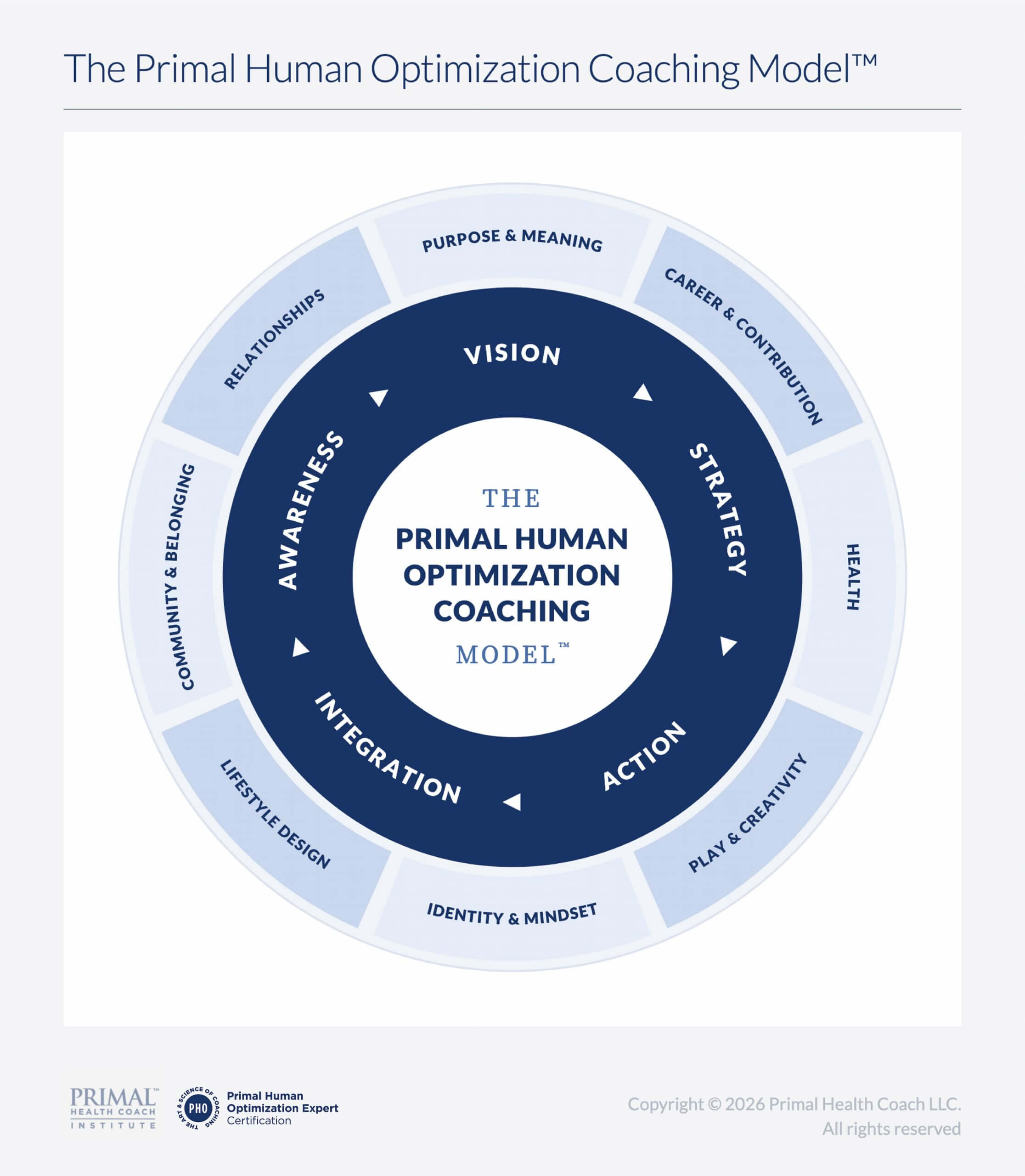
Primal Human Optimization Coaching Model - Curriculum Graphic
Our goal is to help future Primal Life Coaches recognize these connections and support clients in making thoughtful, self-directed changes across the areas of life that matter to them.
Of course, professional coaching has boundaries. A life coach isn't a substitute for a licensed mental health professional, financial advisor, or other qualified specialist. But a skilled life coach can help people clarify goals, explore possibilities, identify obstacles, strengthen accountability, and take meaningful steps toward the lives they want to create.
And that brings us to another essential part of the certification.
Knowing How to Live Well Is Different From Knowing How to Coach
One of the most important lessons we've learned at PHCI is that subject-matter expertise and professional coaching ability are not the same thing. Someone can have an extraordinary understanding of nutrition, exercise, psychology, or personal development and still struggle to help another person make lasting changes.
Effective coaching requires its own set of skills. It involves listening deeply, asking thoughtful questions, building trust, respecting a client's autonomy, understanding behavior change, and helping people discover their own motivations and solutions.
That's why the Primal Life Coach Certification includes much more than the Primal Human Optimization curriculum. We've built the complete certification around three complementary educational pillars.
Pillar 1: Primal Human Optimization Expert Certification
Understanding what supports a well-lived life.
This is the knowledge foundation. Students learn about the biological, psychological, environmental, and social principles that influence human well-being, personal growth, and fulfillment. It provides the subject-matter expertise that distinguishes the Primal approach to life coaching.
Pillar 2: Coaching Expert Certification
Learning how to coach people effectively.
This is where students develop their professional coaching skills. They learn how to facilitate meaningful coaching conversations, establish productive client relationships, apply behavior change principles, practice ethical coaching, and help clients move toward self-directed goals.
Practical exercises and coaching activities help students develop confidence and competence in working with real people. Because coaching isn't about telling someone how to live. It's about helping them discover and create meaningful change for themselves.
Pillar 3: Business Expert Certification
Learning how to turn coaching expertise into a professional opportunity.
For many of our students, becoming a coach represents more than an educational goal. It's an opportunity to build a new career, create an independent practice, or expand an existing professional offering.
Our Business Expert education provides the foundations for developing, positioning, marketing, and operating a coaching business. Students explore how to identify the people they want to serve, communicate their value, develop coaching services, attract clients, and build a sustainable practice.
Together, these three pillars create a comprehensive pathway from understanding the principles of human optimization to developing the skills and business knowledge needed to help others. Upon successful completion of the full program, students earn their Primal Life Coach Certification.
A New Opportunity for Our Existing Health and Fitness Coaches
One of the things that excites me most about this launch is what it means for the coaches who have already trained with us. If you're a Primal Health Coach or Primal Fitness Coach graduate, you've already invested considerable time and effort in developing your coaching expertise, and much of that education carries directly into our new life coaching pathway.
For graduates who have completed the Coaching Expert and Business Expert components, the additional education required to earn the Primal Life Coach Certification is the Primal Human Optimization Expert Certification. That means you can build on your existing qualifications without repeating the coaching and business education you've already completed.
For an established coach, this opens up some exciting possibilities. You may be able to expand the scope of your coaching services, work with clients on a broader range of nonclinical life goals, or bring a more comprehensive perspective to your existing coaching relationships. Perhaps most importantly, it provides a structured framework for addressing the wider dimensions of life that so often influence the health and well-being of the people you serve.
We're not asking our existing coaches to abandon their expertise. We're inviting them to build upon it.
A New Career Path for Aspiring Coaches
For those who are new to PHCI, the complete Primal Life Coach Certification offers a pathway into the coaching profession.
Whether you're considering a career change, hoping to build your own practice, or looking for a more meaningful way to help others, the program brings together the education, practical coaching skills, and business foundations needed to begin that journey. And you don't need to have an existing career in health or wellness to get started.
What matters is a genuine interest in people, a commitment to learning, and a desire to help others create positive change. Our aim is to prepare thoughtful, knowledgeable, capable coaches who understand both the science and philosophy of human optimization and the professional skills required to support others responsibly and effectively.
Be Part of the Beginning: The Primal Life Coach Founding Class of 2026
When we first launched Primal Health Coach Institute, a small group of pioneering students took a chance on something new. Some of those original students still proudly tell people that they were among the very first Primal Health Coaches. I love that. They were there at the beginning of something that would grow into a much larger movement.
And now, we're creating another opportunity to be part of the beginning.
To celebrate the launch of our new certification, we're establishing the Primal Life Coach Founding Class of 2026. Students who enroll in the Primal Life Coach pathway during our inaugural launch period, November 2–15, will be recognized as members of this founding class. Upon earning their Primal Life Coach Certification, they'll receive a special Founding Class designation on their certificate.
We'll also invite these pioneering students to share their experiences and feedback as they progress through their education, helping us refine and shape the future of the program.
Whether you're an existing coach looking to expand your expertise or someone just beginning to explore a career in coaching, I'd love for you to be part of this new chapter.
The Next Era of Primal Health Coach Institute
When I look back over the past two decades, I can see a common thread running through everything I've done.
Mark's Daily Apple began with a desire to help people rethink their health. The Primal Blueprint provided a framework for living in greater alignment with our biology. The Primal Connection expanded that conversation to include our relationships, environments, communities, and sense of purpose. Primal Health Coach Institute gave us a way to share that knowledge through a growing community of professional coaches.
And now, the Primal Life Coach Certification brings those ideas together in a new and exciting way.
To me, this isn't a pivot away from our roots. It's a natural continuation of the philosophy that inspired this movement in the first place. We're still committed to helping people live healthier lives. We're still passionate about ancestral health and the principles of Primal living. And we're still dedicated to training exceptional coaches who can make a meaningful difference.
But we're also recognizing something that has become increasingly clear over the years: The ultimate goal was never simply better health. It was a better life.
A life with energy and vitality, certainly, but also a life with meaningful relationships, rewarding work, personal freedom, a sense of belonging, opportunities for growth, and a reason to get out of bed each morning feeling excited about what's ahead.
That's what Primal Human Optimization is ultimately about, and that's the opportunity we're opening up to the next generation of Primal Life Coaches.
Our vision of positively impacting 100 million lives by 2030 hasn't changed. If anything, our understanding of what that impact can look like has grown. I couldn't be more excited about what lies ahead for PHCI, for our students and graduates, and for the countless people whose lives they have the opportunity to touch.
Here's to the next chapter of Primal living.
Grok on!
Mark Sisson
Co-Founder, Primal Health Coach Institute
Ready to Be Part of the Next Chapter?
Explore the Primal Life Coach Certification
Discover the complete certification pathway, curriculum, and launch-week enrollment opportunity.
Already a PHCI student or graduate?
Explore the Primal Human Optimization Expert Certification and learn how you can build on your existing education to become a certified Primal Life Coach.
Join our live launch webinar with Erin Power
Thursday, November 5, 2026, at 5 pm Eastern.
Discover why we're taking Primal coaching beyond health, explore the new curriculum, and learn which certification pathway is right for you.
Register for the free webinar here.
Speak with our Admissions Team to get all your questions answered