
When it comes to women's health, there isn't a one-size-fits-all solution. Every stage of life, from puberty and pregnancy to menopause and beyond, comes with unique needs and challenges.
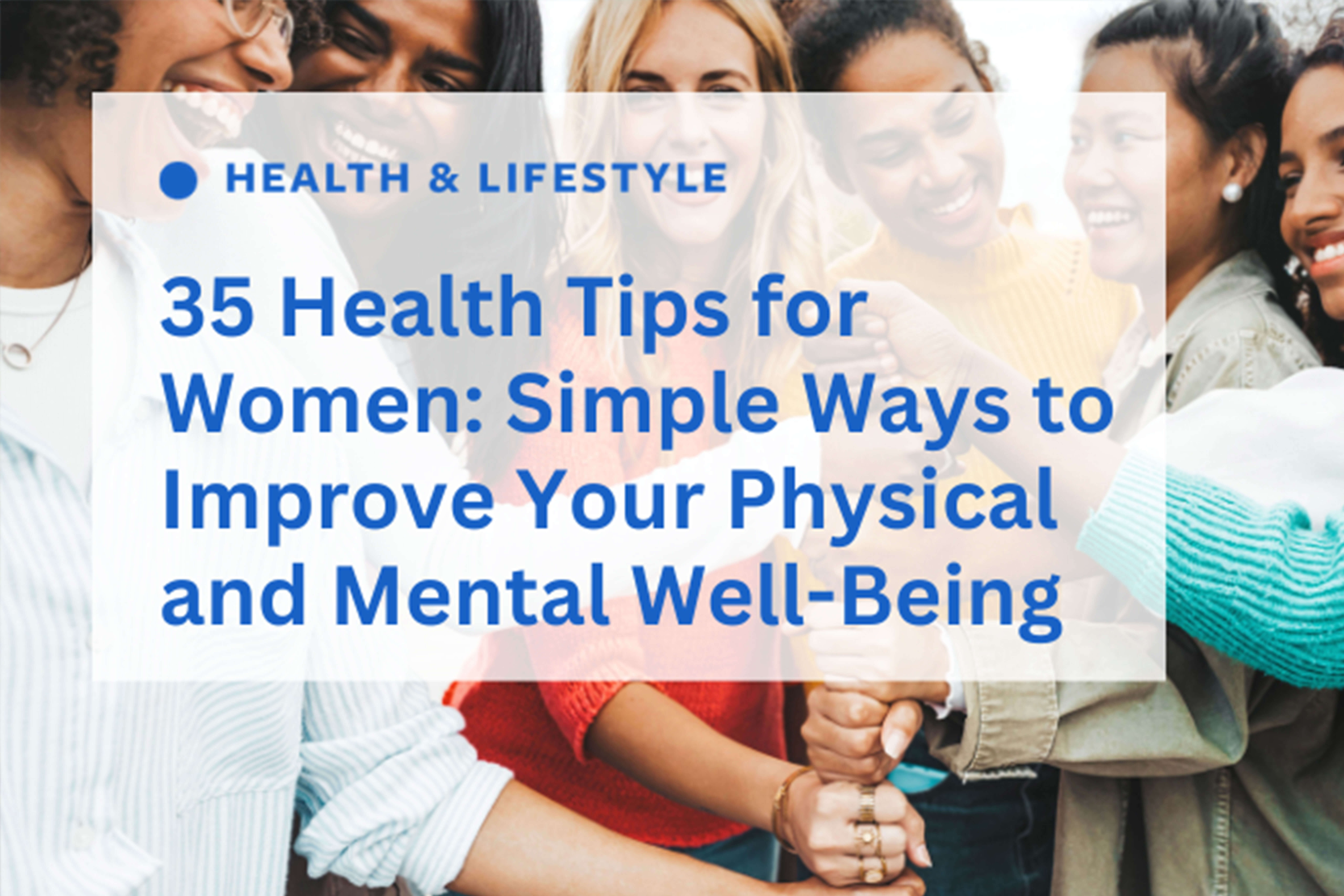
Health tips for women to support long-term wellness.
In this post we share 35 health tips for women that will boost energy, reduce risk of chronic disease and enhance your overall well-being, no matter what life stage you're in.
Whether your goal is to improve your exercise routine, develop a healthier eating plan, or simply make healthier choices, these evidence-based health tips can help you build a healthy lifestyle that lasts.
Here's our 35 health tips for women:
1. Eat a Balanced Diet
A balanced diet provides the essential nutrients your body needs to thrive. Focus on eating real food including: vegetables, fruits, protein, and healthy fats.
2. Choose a Heart-Healthy Diet
A heart-healthy diet can reduce your risk of cardiovascular disease , heart disease , and heart attack. Include foods rich in omega-3 fats, fiber, and antioxidants.
3. Prioritize Healthy Fats
Healthy fats from avocados, olive oil, nuts, seeds, and oily fish support hormone production, brain health, and your immune system.
4. Limit Processed Foods
Highly processed foods often contain excess sodium, unhealthy fats, and added sugars, increasing the risk of chronic disease.
5. Drink Fewer Sugary Drinks
Replacing sugary drinks with water or herbal tea helps maintain healthy blood sugar levels and supports weight management.
6. Eat Plenty of Fresh Fruit and Vegetables
Aim to include colorful vegetables and fresh fruit every day, especially leafy green vegetables, which provide fiber, folate, and important antioxidants.
7. Eat Protein
Meat, seafood, eggs and dairy help maintain muscle mass, especially as women age.
8. Don't Fear Healthy Calories
Choosing nutrient-dense foods is far more important than chasing fewer calories or following restrictive crash diets.
9. Move Your Body Every Day
Regular movement is one of the most effective ways to improve both physical and mental health.
10. Aim for Moderate Exercise
Adults should accumulate at least 150 minutes of moderate-intensity aerobic activity each week through activities like walking, cycling, swimming, gardening or dancing.
11. Go for a Brisk Walk
Whether it's a mountain hike or steps on a treadmill, brisk walking improves cardiovascular fitness and mental wellbeing.
12. Build Strength
Incorporate strength training or resistance training at least twice per week to preserve healthy bones, muscle, and metabolism.
13. Try Low-Impact Exercise
Swimming, yoga, and Pilates are excellent forms of low-impact exercise that support joints while improving fitness.
14. Find an Exercise Routine You Enjoy
You're more likely to stay consistent if you find yourself looking forward to your fitness, rather than dreading it. The best exercise routine is one you'll continue for years, not weeks.
15. Prioritize Sleep
Quality sleep influences almost every aspect of health. So put your phone down and go to sleep!
16. Improve Your Sleep Hygiene
Better sleep hygiene includes reducing evening screen time, keeping a consistent sleep cycle, and creating a cool, dark bedroom.
17. Avoid Sleep Deprivation
Chronic sleep deprivation affects hormone balance, immune function, appetite, and mood.
18. Aim for a Full Night's Sleep
Most healthy adults benefit from seven to nine hours of quality sleep each night.
19. Protect Your Mental Health
Looking after your mental health is just as important as your physical health.
20. Practice Stress Management
Effective stress management helps lower stress levels, improve resilience, and reduce inflammation.
21. Watch for Mood Changes
Persistent mood swings, anxiety, or symptoms of mental health conditions deserve attention from a healthcare professional.
22. Make Time for Yourself
Self-care isn't selfish—it supports your relationships, family life, and overall wellbeing.
23. Stay on Top of Preventive Care
Routine health care is one of the best investments you can make.
24. See Your Primary Care Provider
Schedule regular visits with your primary care provider or physician to monitor your health.
25. Don't Skip Health Screenings
Recommended health screenings detect problems before symptoms develop.
26. Stay Up to Date with Cancer Screenings
Routine cancer screenings, including Pap Smear, mammograms, and colorectal cancer screening, save lives.
27. Don't Ignore Pelvic Pain
Persistent Pelvic pain or changes during your menstrual cycle should be assessed. Regular pelvic exams remain an important part of preventive care.
28. Support Bone Health
Women are at increased risk of bone loss after menopause. Strength training and a balanced diet are essential for bone health, especially from midlife and beyond.
29. Get Enough Vitamin D
Vitamin D is essential for calcium absorption and maintaining strong bones. Morning sun exposure is the best way to fill your Vitamin-D quota.
30. Consider Bone Density Testing
A bone density test may be recommended for postmenopausal women or those with additional risk factors.
31. Monitor Your Hormonal Health
Changing hormone levels influence energy, sleep, metabolism, fertility, and mood throughout life.
32. Pay Attention to Fertility and Reproductive Health
If you're experiencing fertility issues, premenstrual syndrome, or irregular cycles, seek advice from your healthcare provider.
33. Know Your Numbers
Regular blood work can identify high blood pressure, diabetes risk, and nutritional deficiencies before they become serious.
34. Support Your Immune System
Eat foods rich in vitamin C, vitamin E, zinc, protein, and other nutrients that promote healthy immune function.
35. Seek Expert Guidance When Needed
A health coach, registered dietitian, internal medicine physician, or qualified healthcare provider can help create personalized strategies based on your health history and goals.
Health Tips for Women: Frequently Asked Questions
What are the most important health tips for women?
Balance is the most important of the health tips for women.
This will look different for everyone, depending on your age and lifestyle. But if you maintain a nutritious eating plan, exercise regularly, manage stress, prioritize sleep, and attend preventive health screenings you're setting yourself up for a long healthy life.
How much exercise should women get?
Most healthy adults should aim for at least 150 minutes of moderate-intensity aerobic activity plus two strength training sessions each week.
How often should women have health screenings?
Screening recommendations vary by age and risk factors. Speak with your primary care provider about recommended screenings for breast cancer, cervical cancer, colorectal cancer, blood pressure, cholesterol, and bone health.
When should women see a healthcare provider?
Don't wait until symptoms become severe. Regular preventive care, annual check-ups, and early evaluation of new symptoms help identify problems before they become serious.
Final Thoughts
Good health isn't built by following perfection—it's built through consistent daily habits.
Treat these 35 health tips for women as a guide, not a must-do list.
We only live once, so be kind to yourself and enjoy you life!
If you're a health coach, you have the opportunity to help women cut through conflicting health information, build sustainable habits, and create lasting lifestyle change.
If you're passionate about helping others improve their health and well-being, becoming a Primal Health Coach can equip you with the knowledge, practical coaching skills, and business tools to make a meaningful impact while building a rewarding career.